
Emergency Breakdown Support
Fast, reliable emergency support to minimize downtime and restore compressor operations quickly.
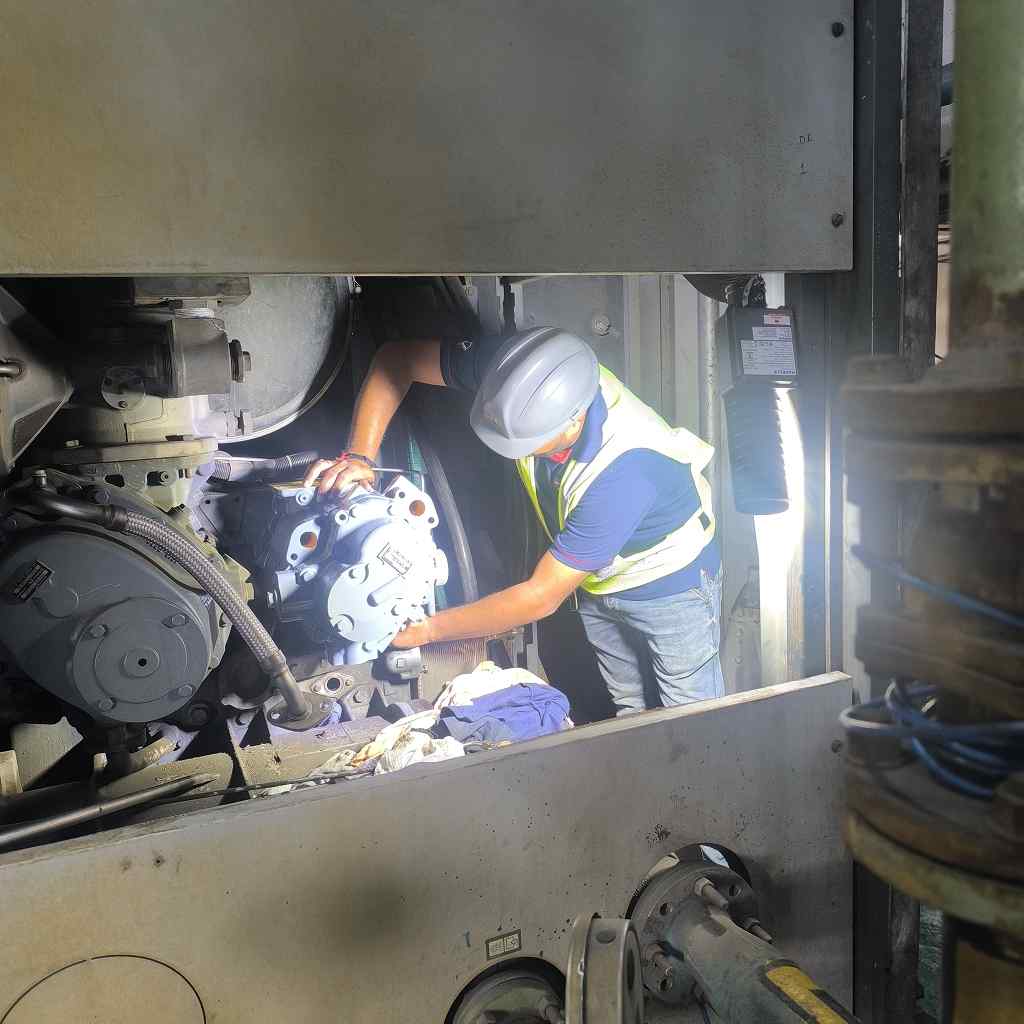
Overview
Emergency Breakdown Support
We help industries maintain continuity by responding efficiently to emergency situations and resolving breakdowns through structured diagnostic and repair processes.

Scope of Emergency Breakdown Services
Our emergency support services typically include:
• On-site inspection and fault analysis
• Identification of mechanical or operational failures
• Troubleshooting and corrective repair
• Replacement or rectification of faulty components
• Alignment and basic calibration
• Functional checks after repair
• System restart and monitoring
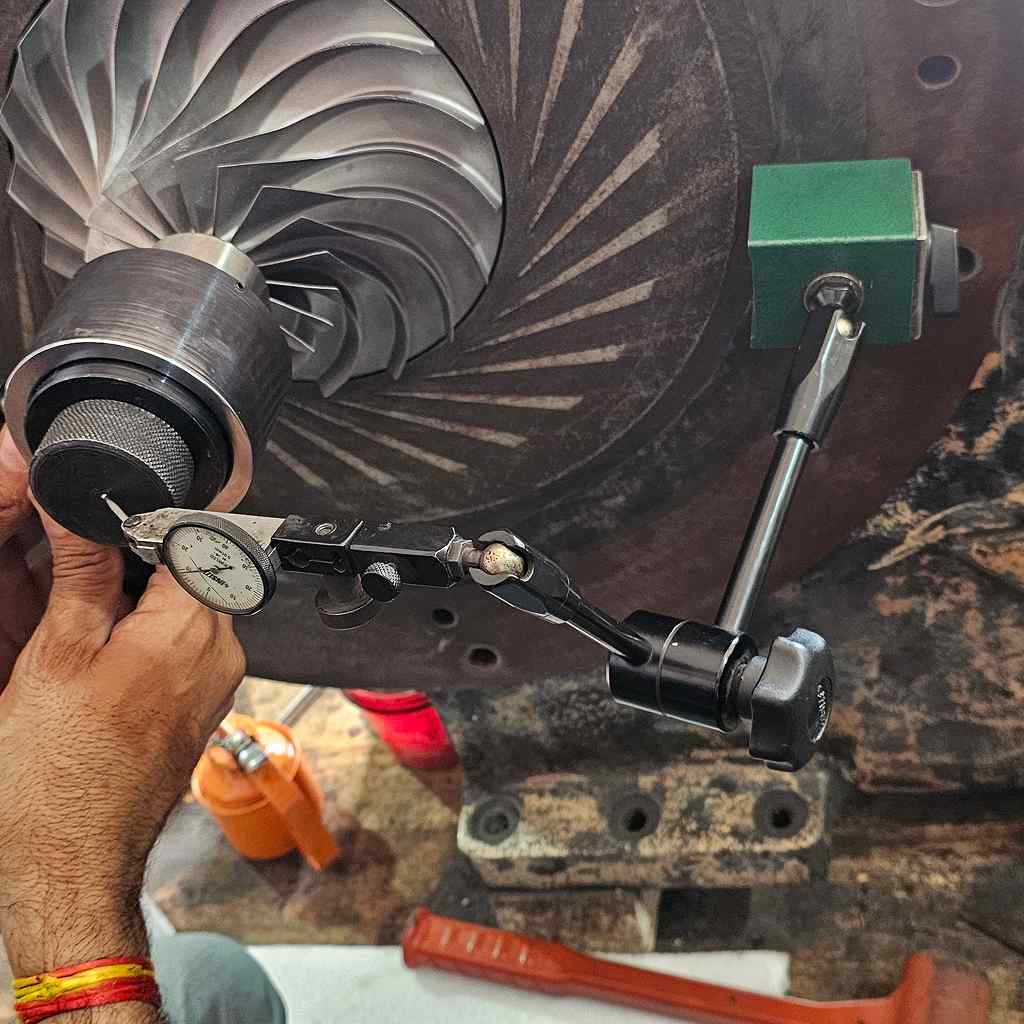
Common Breakdown Issues We Handle
We handle a wide range of breakdown scenarios, including:
• Sudden compressor shutdown
• Abnormal vibration or noise
• Pressure loss or unstable output
• Overheating issues
• Seal or bearing failures
• Mechanical damage
• Operational or performance-related faults
Only castings meeting our quality standards are reused.
Emergency Response Process
1: On-Site Inspection
Deployment of service engineers for detailed inspection and diagnosis.
2: Fault Diagnosis
Root-cause analysis to identify the exact reason for breakdown.
3: Repair & Rectification
Execution of corrective repair actions to restore functionality.
4: Testing & Restart
Final system checks to ensure stable and safe operation before handover.
5: Issue Reporting & Initial Assessment
Understanding the problem through initial discussion and system symptoms.

Testing & Quality Verification
After repair work, the system undergoes essential checks to ensure performance and safety:
• Functional testing
• Performance verification
• Vibration and operational checks
• Safety validation
• Final inspection before handover

Why Choose Our Emergency Breakdown Support
We handle a wide range of breakdown scenarios, including:
• Fast and dependable response
• Experienced and trained service engineers
• Structured troubleshooting approach
• Reliable repair practices
• Reduced downtime and operational loss
• Focus on long-term system reliability